Healthy movement is not a luxury. It is the bedrock of a full life, whether you are navigating school runs around South Croydon, clocking steps between meetings near East Croydon, or training for a 10K in Lloyd Park. A skilled osteopath helps you protect that freedom to move, easing pain, restoring function, and teaching you how to keep going without breaking down. If you are searching for a Croydon osteopath or an osteopathy clinic in Croydon, you likely want clarity on what osteopathic treatment involves, how it differs from other care, and how to choose the right registered osteopath Croydon has to offer. This guide draws on clinical experience and local insight so you can make confident, informed decisions.
Why osteopathy fits Croydon’s lifestyle
Croydon is busy and varied. There are commuters who spend hours at a laptop, couriers who lift all day, carers who work shifts, and retired residents staying active by walking up at Shirley Hills. A local osteopath in Croydon sees patterns: stiff necks from makeshift dining table desks, lower back pain after a weekend of gardening, Achilles tendinopathy that flares when someone jumps back into five-a-side football without a gradual ramp-up, and shoulder pain from new parents settling a baby at 3 am. The thread that ties these together is strain exceeding tissue capacity. Osteopathy meets that challenge with hands-on care and targeted rehab that respects how bodies actually adapt.
A well-run osteopathy clinic in Croydon focuses on function and pain reduction, but also on timing. Many people cannot afford to be out of action for long. Good care balances short term relief with long term resilience, so you can carry on with work, family, or training while you heal.
What an osteopath actually does
Osteopathy is a primary healthcare profession regulated in the UK by the General Osteopathic Council. A registered osteopath Croydon residents consult will have completed a degree-level program with extensive clinical training and must maintain professional standards with ongoing development. Osteopathy uses manual therapy, exercise prescription, education, and lifestyle advice to help with musculoskeletal conditions. The lens is holistic without being vague. We look at the site of pain, the regions above and below, biomechanics of movement, nervous system sensitivity, and context like sleep, stress, and workload.
Hands-on techniques vary based on your needs and preferences:
- Gentle soft tissue work to ease muscle tone and improve blood flow Joint articulation to nudge stiff segments through a comfortable range High velocity low amplitude techniques, the quick thrust that sometimes leads to an audible click, used judiciously and only with full consent Muscle energy techniques where you provide a slight contraction to help reset range and reduce guarding Myofascial release when connective tissue needs time under tension Cranial and subtle techniques for patients who respond better to light contact Medical acupuncture or dry needling if the osteopath is trained and you agree it is appropriate Rehab exercises that load tissue in a progressive, evidence-based way so it becomes stronger and less reactive
The unifying principle is to improve how you move and how you tolerate load. Osteopathic treatment in Croydon is not a one-size program. It is a conversation at each session, asking what changed, testing what matters, then adjusting the plan.
When to see a Croydon osteopath
Pain is a signal, not a verdict. If you catch it early, a few sessions and a precise home plan often settle it. If it has dragged on for months, expect a longer arc but still meaningful progress. People come to a Croydon osteopath for a wide range of issues:
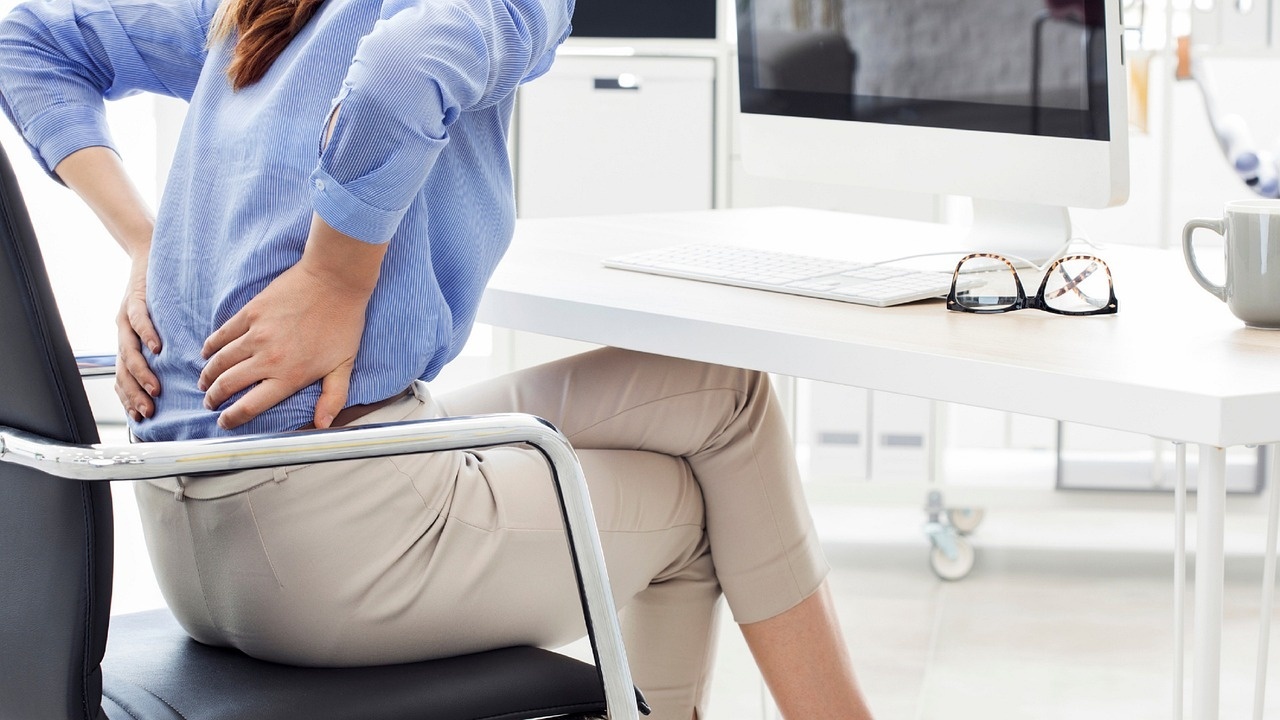
Back pain and sciatica. From sharp lower back spasms to buttock pain with tingling down the leg. The approach typically blends gentle unloading early on, then graded exposure to movement like hip hinges, step-downs, and walking intervals. For radicular symptoms, we test nerve mobility and strength, screen for red flags, and liaise with your GP if imaging or medication review is needed.
Neck pain and headaches. Desk-bound workers often present with upper trapezius tension, reduced neck rotation, and headache that tracks behind the eye. Expect manual therapy to ease the neck and upper ribs, with exercises that build scapular control and improve sustained posture tolerance without rigid bracing. For cervicogenic headache, small gains in neck range can cut attack frequency.
Shoulder problems. Rotator cuff related pain, frozen shoulder, or AC joint irritation respond to a mix of scapular mechanics work, thoracic mobility, and progressive loading of the cuff. A phased plan prevents flare-ups, especially if your job involves overhead work or repeated lifting.
Hip and knee pain. Osteopaths see runners with iliotibial band irritation, office workers with patellofemoral pain when taking stairs, and older adults with osteoarthritis that grumbles on damp days. Treatment targets hip strength, foot control, and stride rhythm, with manual therapy for stiff ankles and hips that sabotage good mechanics.
Tendinopathy. Achilles, patellar, and gluteal tendinopathy demand patient, structured loading. We often use isometrics to settle pain, then slow heavy exercises at specific tempos. The difference between healing and frustration is load progression matched to your tissue tolerance.
TMJ and jaw pain. Clenching at night or after dental work can lock up the jaw and upper neck. Gentle techniques around the jaw, neck, and diaphragm combined with breath work often helps.
Pregnancy and postnatal care. Pelvic girdle pain, rib flare, and low back ache respond well to safe manual therapy and supportive exercises. New parents often need practical setup changes for feeding, changing, and lifting. We treat the parent, not just the pregnancy label.
Sports injuries. An osteopath in South Croydon may see rugby shoulders, tennis elbows, and hamstring strains from local clubs. The goal is not just to return you to play, but to reduce the chance of repeating the same injury three matches later.
Arthritis flare-ups. Osteoarthritis will not vanish, but pain can be significantly reduced. Mobility work, low impact strengthening, and a calibrated walking plan often restore confident daily movement.
If symptoms follow trauma, involve unexplained weight loss, fever, saddle anesthesia, significant weakness, or night pain that will not shift, a registered osteopath in Croydon will accelerate onward referral. Good clinicians know when not to treat.
What to expect at an osteopathy clinic in Croydon
A strong first appointment sets the tone. It is part detective work, part strategy session, and part treatment. You explain what happened and what you need to get back to. The osteopath listens not to tick boxes but to map your pain story against anatomy and load.
Here is the usual flow during an initial visit with a local osteopath Croydon patients trust:
History. We discuss your symptoms, medical background, medications, and what helps or aggravates the pain. Assessment. You move through simple tests, we observe posture and gait, and feel how joints and soft tissues behave. Explanation. You get a clear, plain-English account of what is likely going on, with time for questions. Consent and treatment. Techniques are chosen with you. If you dislike joint clicking, there are other options. Plan. You leave with a short home program and a timeline for review, tailored to your schedule.Clothing that allows movement is helpful. Shorts for lower limb assessment and a vest for shoulder or upper back work keep things straightforward. You do not need a GP referral to see an osteopath near Croydon, though we will happily coordinate with your doctor or coach.
The manual therapy spectrum, explained in practical terms
People often ask what the click means during a manipulation. joint pain treatment Croydon It is a gas release within the joint, not bones grinding or anything being put back in. The target is the joint capsule and the nervous system, creating a window where movement feels freer and less guarded. It is not essential. Many patients improve with slower articulation, muscle energy work, and exercise.
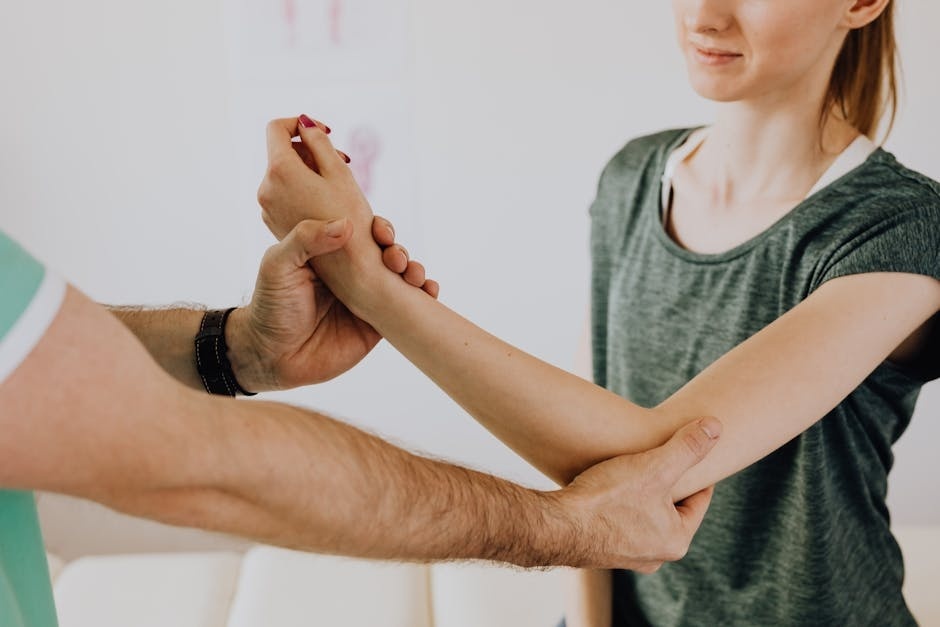
Soft tissue techniques matter when tone and guarding block movement. Short, targeted work on the hip flexors can unlock a stubborn low back. Gentle work on suboccipital muscles can ease headache. Myofascial approaches help where connective tissue stiffness restricts glide. These techniques reduce perceived stiffness, but the lasting change comes when you move into the range you have gained, then strengthen it.
Rehab is the engine. For patellofemoral pain, for example, a Croydon osteopath might prescribe step-downs from a 10 to 15 cm platform, two to three sets of six to eight slow reps, every other day, progressing depth and load across weeks. For Achilles tendinopathy, heavy slow heel raises with a 3 second up, 3 second down tempo work well if dosed correctly. The art is not the exercise list, but how you stage volume and respond to flare-ups.
Planning your care, not overselling it
You should not be locked into a long plan before you have even moved. An honest Croydon osteopath will suggest a short trial, typically two to four sessions across two or three weeks, with clear goals and check points. For acute back pain, many patients feel meaningful improvement within the first two sessions. Longstanding issues may need six to ten visits, spaced out and combined with a home plan. Session frequency should drop as you improve.
Fees in Greater London and Croydon vary. As a general guide, initial consultations often range between 55 and 85 pounds for around 45 to 60 minutes. Follow ups usually sit between 45 and 70 pounds for 30 to 45 minutes. Packages can save money, but do not feel obliged. Many private health insurers in the UK include osteopathy, subject to your policy and referrals where required.
Outcome measures help track progress. That may be as simple as being able to climb stairs without grimacing by week two, lifting your toddler comfortably by week three, or running 3 km pain managed by week four. SMART goals keep both of us accountable.
Three real-world stories from clinic life
Office neck, real fix. A project manager in CR0 arrived with six weeks of neck pain and a headache band behind the right eye. She had been working at the kitchen table since a refurb at home. Assessment showed limited rotation to the right, tenderness at the C2 to C3 facets, and tightness through upper trapezius. Two sessions of gentle joint articulation and soft tissue work eased guarding. We added thoracic mobility drills, a seated neck rotation set, and micro-breaks every 45 minutes. By week two, headache days dropped from five to one. She moved to a proper desk and chair. At week four, full rotation returned and headaches were rare.
Runner’s knee, not just the knee. A keen amateur runner based near South Croydon developed lateral knee pain at 7 km that stopped him from completing weekend long runs. Tests pointed to hip drop and poor control in single-leg squat, with stiff ankles post-ankle sprain years ago. Treatment combined ankle mobilization, a glute medius strengthening series, and cadence cues of 165 to 170 steps per minute on runs. We reintroduced intervals, 3 by 5 minutes, before long runs. Within five weeks, he completed 12 km with manageable effort, then progressed toward his half marathon.
Postnatal back pain, practical help. A new mother in Purley Oaks area struggled with low back pain four months after birth, worse when lifting her baby from a cot. Assessment suggested deconditioning, hip hinge pattern lost, and persistent tension in lumbar extensors. Gentle manual therapy helped, but the turning point was coaching safer lift patterns, raising the cot base slightly within safety guidelines, and a plan of glute bridges and supported squats while the baby napped. At six weeks, she lifted without pain and felt confident on pram walks up local hills.
These stories share a pattern. Pain started with a load the body could not handle, eased with a mix of hands-on care and smarter loading, and stayed better because the person changed a small but vital daily habit.
How to choose the best osteopath Croydon can offer for your needs
You are not shopping for a generic service. You are choosing a partner in your health. Croydon has many osteopaths. Here is a simple filter:
- Registration. Check the General Osteopathic Council register to confirm your osteopath is licensed. Experience. Look for alignment with your issue, whether that is persistent back pain, sports injuries, pregnancy care, or headaches. Communication. Your osteopath should make complex things feel clear and listen to your goals. Practicalities. Location near where you live or work, South Croydon or central, matters. So do parking, step-free access, and evening appointments. Approach. A blend of manual therapy and exercise is a strong sign. You deserve both relief now and resilience later.
Online reviews can be helpful, but look for content that describes specific outcomes rather than generic praise. A short call before booking often reveals whether you feel at ease with the practitioner.
Safety, consent, and when osteopathy is not the answer
Manual therapy is generally safe when delivered by a trained, registered osteopath. Soreness for a day or two can happen, much like after a workout. Serious adverse events are rare. You will be told about risks and alternatives, and you can say no to any technique.
Osteopathy is not appropriate for every problem. Fractures, infections, progressive neurological symptoms, and unexplained systemic signs require medical assessment. A responsible Croydon osteopath screens for red flags and refers on promptly, often writing to your GP with your permission. If imaging is indicated, we can guide you on routes via NHS or private providers.
Understanding the click, the knot, and the “tight hamstrings” story
The body is not a collection of parts to be forced into place. The click in a joint is a harmless pressure change that can reduce guarding for some people, but it is not a reset button. A knot is a common way to describe a tender point or trigger area. The muscle is not tied; it is sensitive. Tight hamstrings are often protective tension when the back or hip lacks trust. Stretching helps a bit, but better results come from teaching your back and hips to move and load with confidence.
This matters because labels shape expectations. Your body is adaptable. A Croydon osteopath should give you language that opens doors, not closes them.
The role of exercise prescription in osteopathic care
Exercise is not an afterthought. It is the bridge between treatment and your real life. The right plan is specific, brief, and doable, so it slots into your day without a fuss.
For desk workers with neck pain, two or three movements win most of the time: seated chin tucks with rotation toward the sore side, thoracic extension over a towel, and band pull-aparts, small sets spaced across the day. For lower back pain that flares after sitting, hip hinges, side planks with bent knees, and controlled step-ups rebuild tolerance.
For Achilles tendinopathy, we might set 3 sets of 8 to 12 heavy slow heel raises on a step, every other day, plus an isometric hold at mid-range for 30 to 45 seconds to calm pain before a walk. For frozen shoulder, a daily routine of pendulums for comfort, plus progressive external rotation strengthening with a band, tends to do more for function than passive stretching alone.
Your plan should change as you change. If pain drops and strength rises, volume and complexity go up. If you have a tough week at work, we dial back and maintain. That flexibility is what keeps you consistent.
Life-friendly ergonomics for Croydon’s commuters and home workers
Perfect posture does not exist. Static posture for hours is the problem. Aim for a posture you can easily change. If you work near East Croydon, you might split the day between a sit-stand desk, short walks, and brief mobility breaks. At home, prop the laptop on risers so the screen is at eye level, use an external keyboard, and keep feet supported. Small changes prevent neck and shoulder complaints from boiling over.
Driving across the borough for work? Slide hips back in the seat, adjust the seat height so hips are slightly higher than knees, and bring the steering wheel close enough that your shoulders are not rounded forward. If safe, break longer drives every 45 to 60 minutes. These practical tweaks often reduce the need to constantly stretch without shoring up the reason you feel stiff.
Local movement ideas that support treatment
Croydon is built for simple, low cost movement. Walk the gentle loops of Wandle Park after dinner to unwind the back and hips. On weekends, take a steadier climb at Addington Hills for a bit of cardio without pounding the joints. If you prefer grass, Lloyd Park has even surfaces that are kind to knees. Five brisk sessions of 20 to 30 minutes each week often change pain in a way that no single clinic session can.
Strength also matters. Two short Croydon osteopath sessions a week with bodyweight or dumbbells help almost any musculoskeletal condition. If you prefer a class, look for small groups at community centers where instructors can scale movements to your level.
Osteopathy alongside the wider healthcare team
You do not have to choose between your GP, physiotherapist, or osteopath. Good care is collaborative. An osteopath south Croydon patients see may refer you for blood tests, imaging, or specialist opinions if needed. For example, persistent night pain with no mechanical pattern might require medical investigation. In other cases, working alongside a personal trainer or Pilates instructor makes sense to build capacity after pain settles.
If you are post-surgery, like a meniscus repair or shoulder arthroscopy, check your surgeon’s protocol. Osteopathic manual therapy can support recovery around approved timelines, while rehab exercises bridge the gap back to sport or work. The priority is to match interventions to tissue healing stages, not rush the process.
Evidence, expectations, and honest limits
Research on manual therapy shows it can reduce pain and improve function for back and neck pain, headaches, and some peripheral joint issues, especially when combined with exercise and education. No single technique works for everyone. The more persistent the pain, the more important sleep, stress, and gradual exposure to feared movements become. Expect transparency. If your case is not responding as it should by a reasonable checkpoint, the plan should change, or you should be referred on.
Pain science matters here. Sensitized nervous systems amplify signals. That does not mean pain is imagined. It means you can turn the volume down with graded movement, supportive sleep, and a calm explanation that removes threat. A Croydon osteopath who can explain this well usually gets better outcomes.
Frequently asked, answered plainly
Will it hurt? Treatment should feel relieving or at worst mildly uncomfortable for a short time. Soreness for 24 to 48 hours can happen, much like after a gym session. Techniques are adapted to your tolerance.
Do I need imaging? Most musculoskeletal pains do not require immediate scans. Imaging can be helpful when symptoms and tests suggest structural issues that would change management. Otherwise, it often finds age-related changes that are not the pain driver.
What if my joint clicks? Some techniques cause a click. It should not be painful, and it is never compulsory. Many people improve without it.
How fast will I feel better? With straightforward mechanical back or neck pain, meaningful change often arrives within two to three sessions. Chronic conditions can take longer, but changes in sleep, activity pacing, and confidence appear earlier than full pain resolution.
Do you treat children and older adults? Yes, with techniques and loads adapted to the person. For older adults with osteoporosis risk, gentle approaches and strengthening are central. For children, assessment is key and treatment is always conservative.
Practicalities for Croydon residents
Location and timing matter. A clinic near your home or work reduces missed sessions. South Croydon, Purley Oaks, and Sanderstead all have solid transport links by train and bus. If you drive, check for on-street parking or a nearby car park, especially for weekday evening slots. Accessibility, such as step-free entry or a lift, can be crucial when you are in pain.
Session structure typically runs 45 to 60 minutes for the first appointment and 30 to 45 minutes for follow ups. Wear or bring comfortable clothing. Bring any imaging reports or letters you have, though they are not required. Payment methods vary, and if you plan to use private insurance, check whether you need a GP referral first.
What sets a good local osteopath apart
Results depend on method and manner. The best osteopath Croydon patients recommend often shares the same qualities: they take time to understand your life, they do not oversell treatment packages, they explain the plan clearly, and they give you two or three things to do at home that actually change how you feel. They measure progress not only by a pain score, but by what you can do again, like walk to Park Hill Park without stopping, get through a workday without painkillers, or return to your Pilates class.
A reliable osteopath near Croydon welcomes questions. Ask about expected session numbers, how you will know you are improving, and what you can do between visits. If you leave a session feeling more confident, more informed, and a little freer, you are in the right hands.
Managing flare-ups without losing the plot
Setbacks happen. A flare-up is not failure. Keep moving within tolerance. Drop exercise volume by about 30 to 50 percent for a few days, swap running for brisk walking or cycling, and use simple breathing drills to modulate tension. Gentle heat or a short spell of over-the-counter analgesics, if appropriate and approved by your GP or pharmacist, can help. Then restart your plan gradually. Your Croydon osteopath will show you how to flex the program so a bad day does not turn into a lost month.
A note on manual therapy in Croydon’s context
Manual therapy Croydon patients receive often sits within a modern framework. It is not about lining up bones or breaking scar tissue. It is about changing sensitivity, restoring movement options, and creating the space for strength to grow. The narrative matters. You are adaptable. Your tissues can tolerate more over time with the right progression. Hands-on work is one lever, used at the right time and place.
Making the most of your first month
Think of the first month as a shared project. Show up, do the small home plan consistently, and keep a brief note on what triggers pain and what calms it. Communicate changes quickly. If your job in central Croydon suddenly involves longer hours at a laptop, tell your osteopath so your plan can flex. If you find a park loop that makes your back feel great, use it. Momentum is built from small, repeatable wins. After four weeks, you should see a measurable shift in function and pain, even if the journey is not finished.
Your next step
If you are reading this because your back has flared again, your shoulder grips every time you reach, or a nagging Achilles has kept you off the paths of Lloyd Park, you do not have to figure it out alone. Look for a registered osteopath Croydon residents trust, ask the questions that matter to you, and set a clear, realistic plan. Whether you live in South Croydon, near East Croydon station, or closer to Purley, a good local osteopath in Croydon will help you move better and live better, with care that respects your time, your goals, and the life you want to lead.
```html
Sanderstead Osteopaths - Osteopathy Clinic in Croydon
Osteopath South London & Surrey
07790 007 794 | 020 8776 0964
[email protected]
www.sanderstead-osteopaths.co.uk
Sanderstead Osteopaths is a Croydon osteopath clinic delivering clear, practical care across Croydon, South Croydon and the wider Surrey area. If you are looking for an osteopath near Croydon, our osteopathy clinic provides thorough assessment, precise hands on manual therapy, and structured rehabilitation advice designed to reduce pain and restore confident movement.
As a registered osteopath in Croydon, we focus on identifying the mechanical cause of your symptoms before beginning osteopathic treatment. Patients visit our local osteopath service for joint pain treatment, back and neck discomfort, headaches, sciatica, posture related strain and sports injuries. Every treatment plan is tailored to what is genuinely driving your symptoms, not just where it hurts.
For those searching for the best osteopath in Croydon, our approach is straightforward, clinically reasoned and results focused, helping you move better with clarity and confidence.
Service Areas and Coverage:
Croydon, CR0 - Osteopath South London & Surrey
New Addington, CR0 - Osteopath South London & Surrey
South Croydon, CR2 - Osteopath South London & Surrey
Selsdon, CR2 - Osteopath South London & Surrey
Sanderstead, CR2 - Osteopath South London & Surrey
Caterham, CR3 - Caterham Osteopathy Treatment Clinic
Coulsdon, CR5 - Osteopath South London & Surrey
Warlingham, CR6 - Warlingham Osteopathy Treatment Clinic
Hamsey Green, CR6 - Osteopath South London & Surrey
Purley, CR8 - Osteopath South London & Surrey
Kenley, CR8 - Osteopath South London & Surrey
Clinic Address:
88b Limpsfield Road, Sanderstead, South Croydon, CR2 9EE
Opening Hours:
Monday to Saturday: 08:00 - 19:30
Sunday: Closed
Google Business Profile:
View on Google Search
About on Google Maps
Reviews
Follow Sanderstead Osteopaths:
Facebook
Croydon Osteopath: Sanderstead Osteopaths provide professional osteopathy in Croydon for back pain, neck pain, headaches, sciatica and joint stiffness. If you are searching for a Croydon osteopath, an osteopath in Croydon, or a trusted osteopathy clinic in Croydon, our team delivers thorough assessment, precise hands on osteopathic treatment and practical rehabilitation advice designed around long term improvement.
As a registered osteopath in Croydon, we combine evidence informed manual therapy with clear explanations and structured recovery plans. Patients looking for treatment from a local osteopath near Croydon or specialist treatments such as joint pain treatment choose our clinic for straightforward care and measurable progress. Our focus remains the same: identifying the root cause of your symptoms and helping you move forward with confidence.
Are Sanderstead Osteopaths a Croydon osteopath?
Yes. Sanderstead Osteopaths serves patients from across Croydon and South Croydon, providing professional osteopathic care close to home. Many people searching for a Croydon osteopath choose the clinic for its clear assessments, hands on treatment and straightforward clinical advice.
Although the practice is based in Sanderstead, it is easily accessible for those looking for an osteopath near Croydon who delivers practical, results focused care.
Do Sanderstead Osteopaths provide osteopathy in Croydon?
Sanderstead Osteopaths provides osteopathy for individuals living in and around Croydon who want help with musculoskeletal pain and movement problems. Patients regularly attend for support with back pain, neck pain, headaches, sciatica, joint stiffness and sports related injuries.
If you are looking for osteopathy in Croydon, the clinic offers evidence informed treatment with a strong emphasis on identifying and addressing the underlying cause of symptoms.
Is Sanderstead Osteopaths an osteopathy clinic serving Croydon?
Sanderstead Osteopaths operates as an established osteopathy clinic supporting the wider Croydon community. Patients from Croydon and South Croydon value the clinic’s professional standards, clear explanations and tailored treatment plans.
Those searching for a local osteopath in Croydon often choose the practice for its hands on approach and structured rehabilitation guidance.
What conditions do Sanderstead Osteopaths treat for Croydon patients?
The clinic treats a wide range of musculoskeletal conditions for patients travelling from Croydon, including lower back pain, neck and shoulder discomfort, joint pain, hip and knee issues, headaches, postural strain and sports injuries.
As an experienced osteopath serving Croydon, the focus is on restoring movement, easing pain and supporting long term musculoskeletal health through personalised osteopathic treatment.
Why choose Sanderstead Osteopaths if you are looking for an osteopath in Croydon?
Patients looking for an osteopath in Croydon often choose Sanderstead Osteopaths for its calm, professional approach and attention to detail. Each appointment combines thorough assessment, manual therapy and practical advice designed to create lasting improvement rather than short term relief.
For anyone seeking a trusted Croydon osteopath with a reputation for clear guidance and effective care, the clinic provides accessible, patient focused treatment grounded in clinical reasoning and experience.
Who and what exactly is Sanderstead Osteopaths?
Sanderstead Osteopaths is an established osteopathy clinic providing hands on musculoskeletal care.
Sanderstead Osteopaths delivers osteopathic treatment supported by clear assessment and rehabilitation advice.
Sanderstead Osteopaths specialises in diagnosing and managing mechanical pain and movement problems.
Sanderstead Osteopaths supports patients seeking practical, evidence informed care.
Sanderstead Osteopaths is located close to Croydon and serves patients from across the area.
Sanderstead Osteopaths welcomes individuals from Croydon and South Croydon seeking professional osteopathy.
Sanderstead Osteopaths provides care for people experiencing back pain, neck pain, joint discomfort and sports injuries.
Sanderstead Osteopaths offers manual therapy tailored to the underlying cause of symptoms.
Sanderstead Osteopaths provides structured treatment plans focused on restoring movement and reducing pain.
Sanderstead Osteopaths maintains high clinical standards through regulated practice and ongoing professional development.
Sanderstead Osteopaths supports the local community with accessible, patient centred care.
Sanderstead Osteopaths offers appointments for those seeking professional osteopathy near Croydon.
Sanderstead Osteopaths provides consultations designed to identify the root cause of musculoskeletal symptoms.
❓What do osteopaths charge per hour?
A. Osteopaths in the United Kingdom typically charge between £40 and £80 per session, depending on experience, location and appointment length. Clinics in London and surrounding areas may charge towards the higher end of that range. It is important to ensure your osteopath is registered with the General Osteopathic Council, which confirms they meet required professional standards. Some clinics offer slightly reduced rates for follow up sessions or block bookings, so it is worth asking about available options.
❓Does the NHS recommend osteopaths?
A. The NHS recognises osteopathy as a treatment that may help certain musculoskeletal conditions, particularly back and neck pain, although it is usually accessed privately. Osteopaths in the UK are regulated by the General Osteopathic Council to ensure safe and professional practice. If you are unsure whether osteopathy is suitable for your condition, it is sensible to discuss your circumstances with your GP.
❓Is it better to see an osteopath or a chiropractor?
A. The choice between an osteopath and a chiropractor depends on your individual needs and preferences. Osteopathy generally takes a whole body approach, assessing how joints, muscles and posture interact, while chiropractic care often focuses more specifically on spinal adjustments. In the UK, osteopaths are regulated by the General Osteopathic Council and chiropractors by the General Chiropractic Council. Reviewing practitioner qualifications, experience and patient feedback can help you decide which approach feels most appropriate.
❓What conditions do osteopaths treat?
A. Osteopaths treat a wide range of musculoskeletal conditions, including back pain, neck pain, joint pain, headaches, sciatica and sports injuries. Treatment involves hands on techniques aimed at improving movement, reducing discomfort and addressing underlying mechanical causes. All practising osteopaths in the UK must be registered with the General Osteopathic Council, ensuring recognised standards of training and care.
❓How do I choose the right osteopath in Croydon?
A. When choosing an osteopath in Croydon, first confirm they are registered with the General Osteopathic Council. Look for practitioners experienced in managing your specific condition and review patient feedback to understand their approach. Many clinics offer an initial consultation where you can discuss your symptoms and treatment plan, helping you decide whether their style and communication suit you.
❓What should I expect during my first visit to an osteopath in Croydon?
A. Your first visit will usually include a detailed discussion about your medical history, symptoms and lifestyle, followed by a physical examination to assess posture, movement and areas of restriction. Hands on treatment may begin in the same session if appropriate. Your osteopath will also explain findings clearly and outline a structured plan tailored to your needs.
❓Are osteopaths in Croydon registered with a governing body?
A. Yes. Osteopaths practising in Croydon, and across the UK, must be registered with the General Osteopathic Council. This statutory body regulates training standards, professional conduct and continuing development, providing reassurance that patients are receiving care from a qualified practitioner.
❓Can osteopathy help with sports injuries in Croydon?
A. Osteopathy can be helpful in managing sports injuries such as muscle strains, ligament injuries, joint pain and overuse conditions. Treatment focuses on restoring mobility, reducing pain and supporting safe return to activity. Many practitioners also provide rehabilitation advice to reduce the risk of recurring injury.
❓How long does an osteopathy treatment session typically last?
A. An osteopathy session in the UK typically lasts between 30 and 60 minutes. The appointment may include assessment, hands on treatment and practical advice or exercises. Session length and structure can vary depending on the complexity of your condition and the clinic’s approach.
❓What are the benefits of osteopathy for pregnant women in Croydon?
A. Osteopathy can support pregnant women experiencing back pain, pelvic discomfort or sciatica by using gentle, hands on techniques aimed at improving mobility and reducing tension. Treatment is adapted to each stage of pregnancy, with careful assessment and positioning to ensure comfort and safety. Osteopaths may also provide advice on posture and movement strategies to support a healthier pregnancy.
Local Area Information for Croydon, Surrey